


The nation wants reuse but needed the infrastructure, so r.World built it. Several states have enacted Extended Producer Responsibility (EPR) laws that recognize reuse as a way for producers to comply.
Clients pay a per-item price covering all of it: cups, logistics, sanitization, tracking, training, signage, bins, environmental impact reporting, and on-site staff. No upfront cost, and no loss fees for most clients.7
The reuse movement is expanding.
Check out r.World’s real-world impact
From corporate campuses and universities to municipalities, healthcare settings, airlines and more, r.World is behind the scenes keeping single-use waste out of the waste stream.








r.World pioneered closed-loop reuse. Now we're building the infrastructure to bring open-loop reuse nationwide.
r.World has built the technology, infrastructure and proven system to make reuse work at scale.
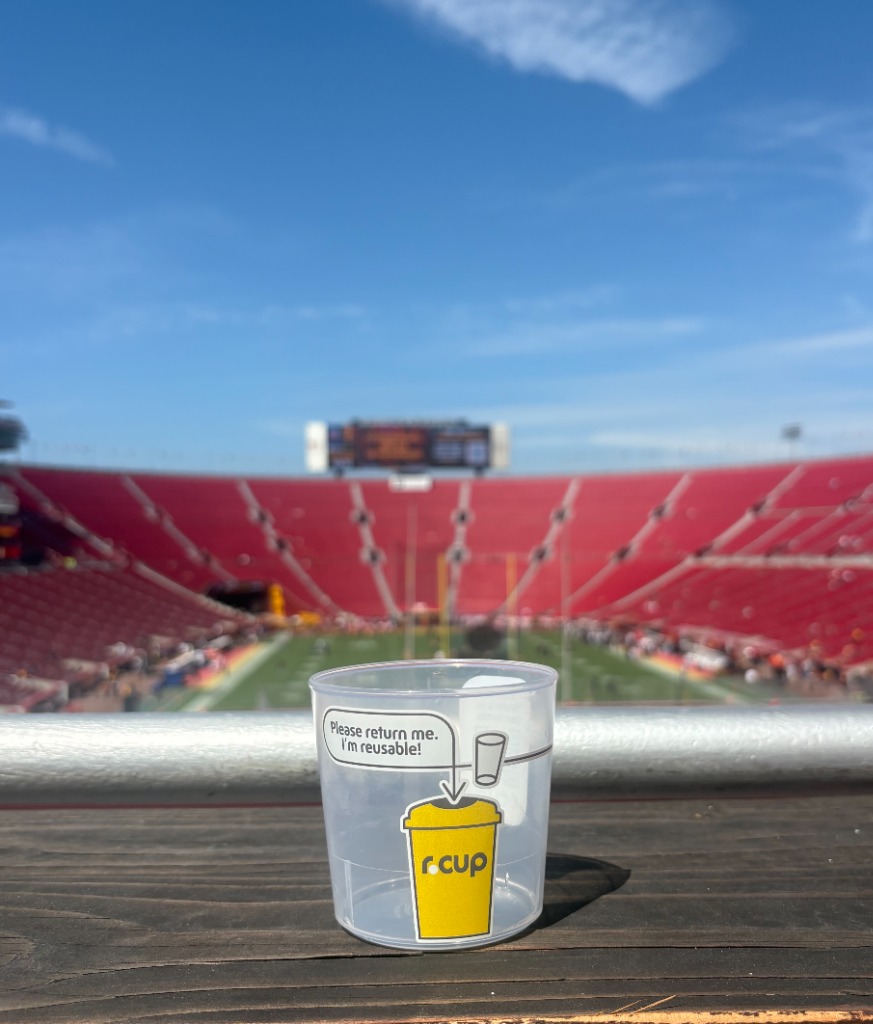
Our current waste system is one way. You use something and it becomes waste. In a closed loop like sports and music venues, r.World provides the cup or foodware, and guests return it before leaving. This version works today, driving r.World's 90% return rate.12
Open-loop reuse is coming, where any container can be returned and reused.
r.World's infrastructure is positioned to process open-loop reuse. We are raising capital to expand markets and gain efficiencies in operations.
Single-Use Today
Closed Loop
Open Loop
Why r.World? Why Now?
r.World Is the Decisive Leader
r.World operates the nation’s first, largest and most advanced reuse network, processing more reusable foodware annually than anyone else.1
Several States Now Require What r.World Has Been Working On Since 2017
r.World saw it coming. r.World began building reuse infrastructure in 2017, years before the first state EPR laws passed.16 Now, the regulations are kicking in.
Seven states have passed Extended Producer Responsibility (EPR) legislation as of [month 2026] (California (CA)17, Colorado (CO)18, Oregon (OR)19, Minnesota (MN)20, Maryland (MD)21, Washington (WA)22, Maine (ME)23), and EPR bills have been introduced in 12+ other states.24
Extended Producer Responsibility (EPR) laws are requiring producers to pay fees based on the packaging they put into the market. California’s SB 54 requires producers to reduce single-use plastic packaging and plastic food service ware 25% by 2032, compared with 2023 levels.25 At least 10% must come from eliminating plastic components or shifting to refillable and reusable systems. Reuse is written into the statute as a compliance pathway.25 SB 54 does not require any producer or venue to use a particular reuse provider. We believe r.World's reuse system can help producers meet these targets. CalRecycle may impose administrative civil penalties of up to $50,000 per day, per violation, on noncompliant producers or producer responsibility organizations.26
Wash Hubs Aren’t Sexy. Neither Were Cell Phone Towers.
r.World saw the reuse movement coming and has been building for nine years ahead of it becoming mainstream: regional wash hubs, reverse logistics, RFID tracking and per-item contracts across 10,000+ events, with 90% client retention13. We believe r.World's advanced technology and operating footprint is hard to replicate.27
Proven in the Field
You've Probably Seen Us Live
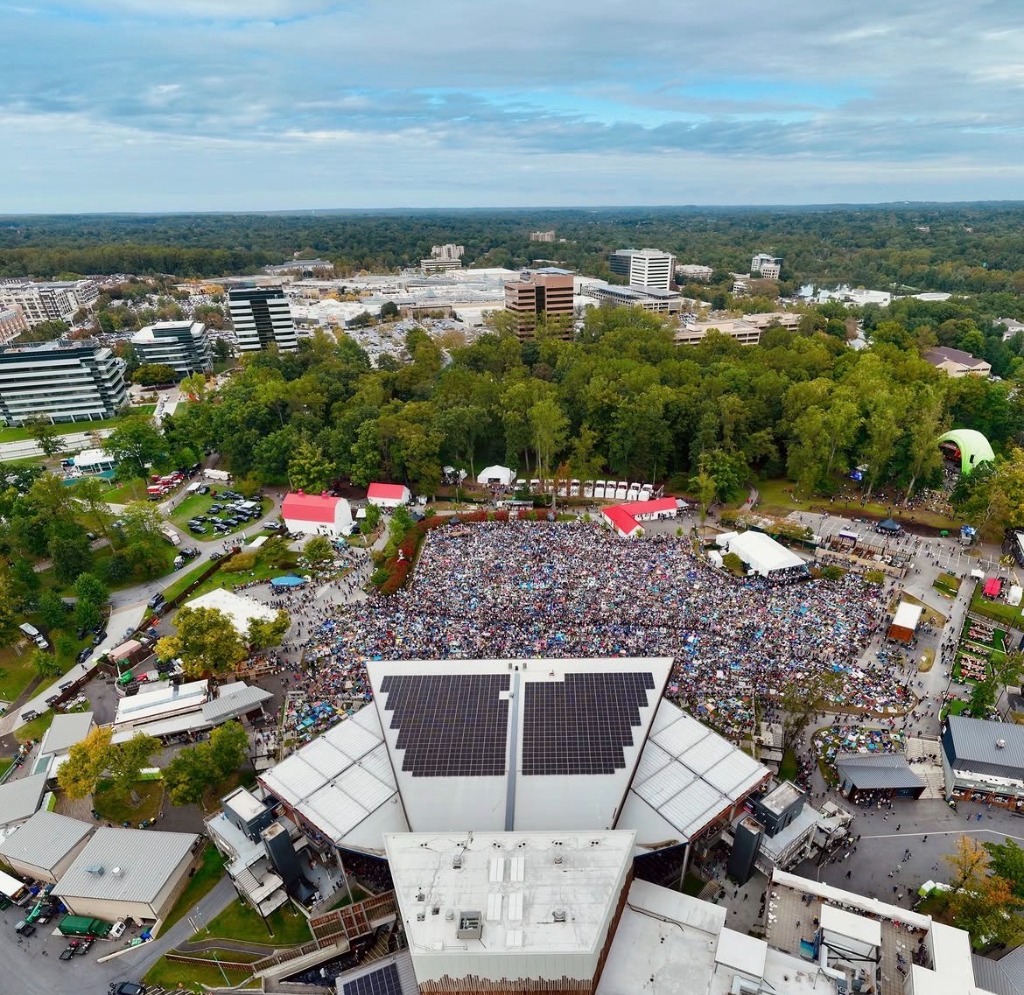
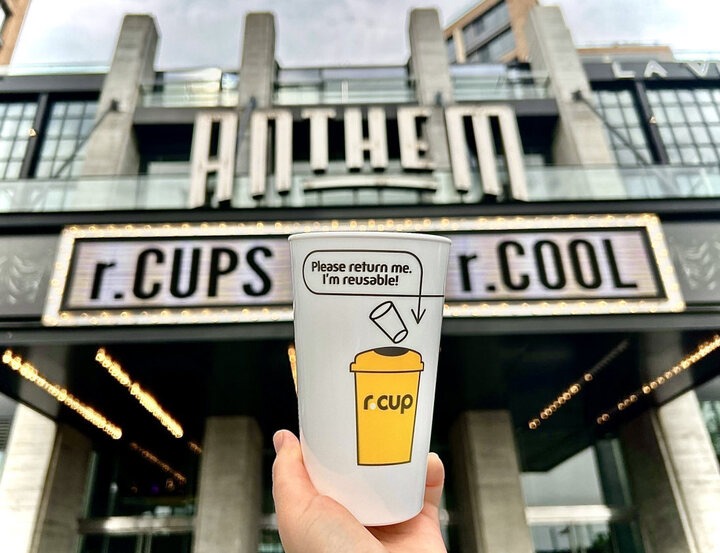
From airlines and 70,000-seat stadiums to iconic concert venues and nationwide tours, r.World powers reuse for leaders across sports, entertainment and travel.




“Over the past four concert seasons, the r.World program has eliminated nearly 500,000 single-use plastic cups from the Santa Barbara Bowl’s waste stream. That’s a huge win for sustainability and a clear indication that a circular-reuse system is effective. We are 100% committed to this long-term partnership and hope our success inspires other concert promoters and venues to adopt r.Cup. It’s a practical, audience-friendly solution that makes a measurable difference.”
One proprietary operating system with five key parts working together
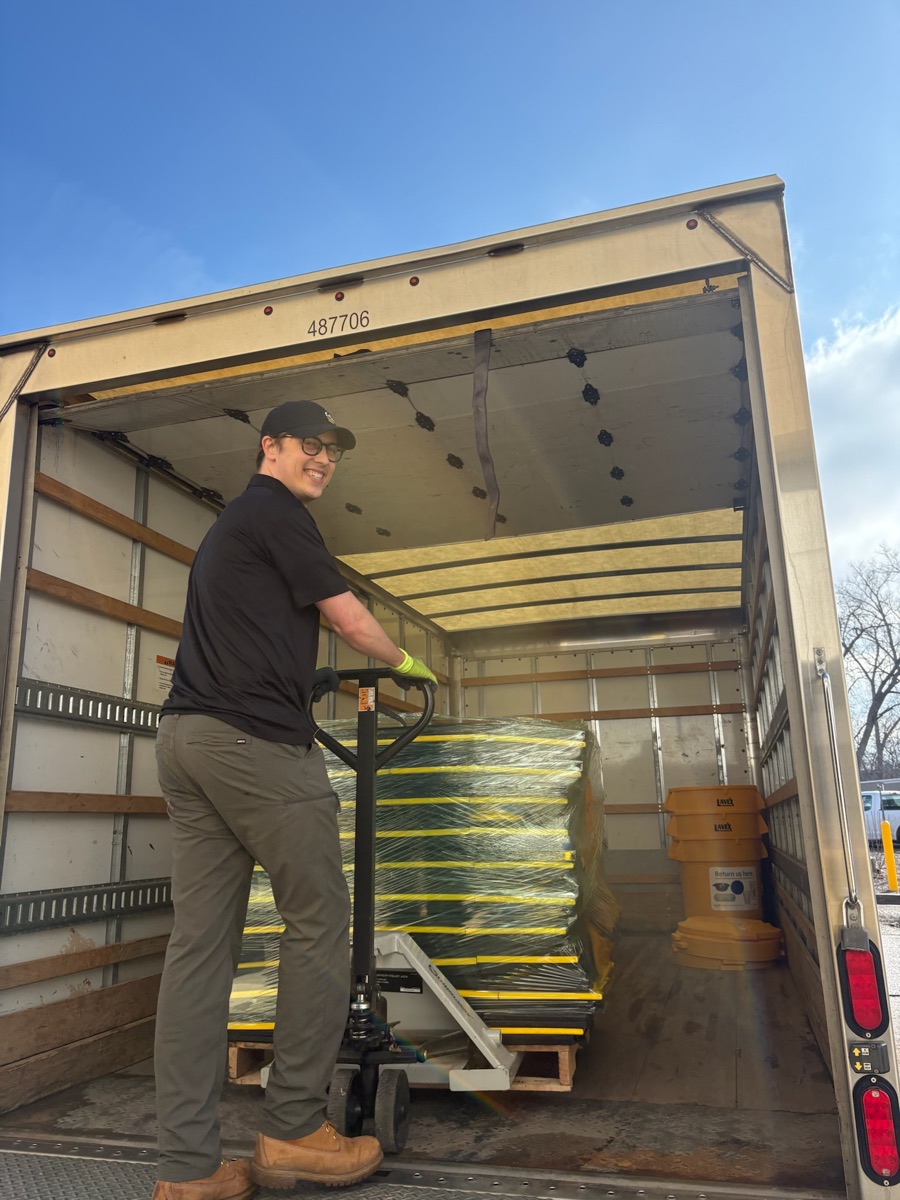
Logistics
The reverse-logistics network. r.World delivers. Partners serve. Guests return. r.World collects.
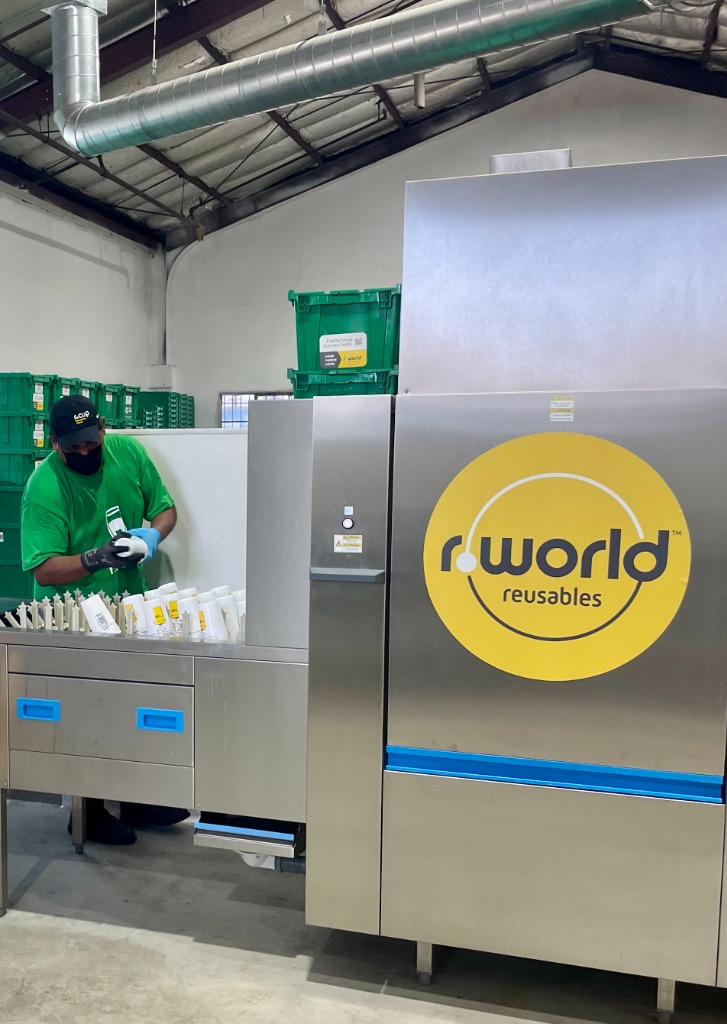
Sanitization
Regional centers running Ecolab Science Certified™ deep cleaning.28 Every item inspected, then sealed in a tub before it ships.
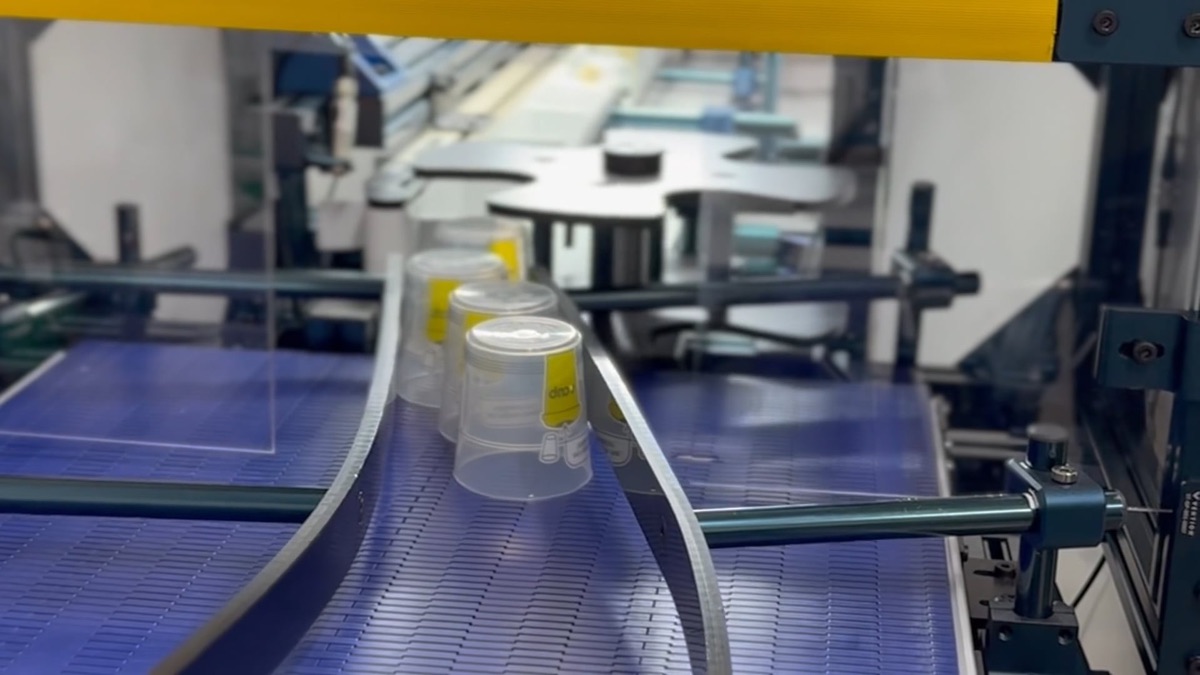
Automation
r.World's automated dish line can handle up to 14M items a year on one shift, with capacity in place for the demand ahead.
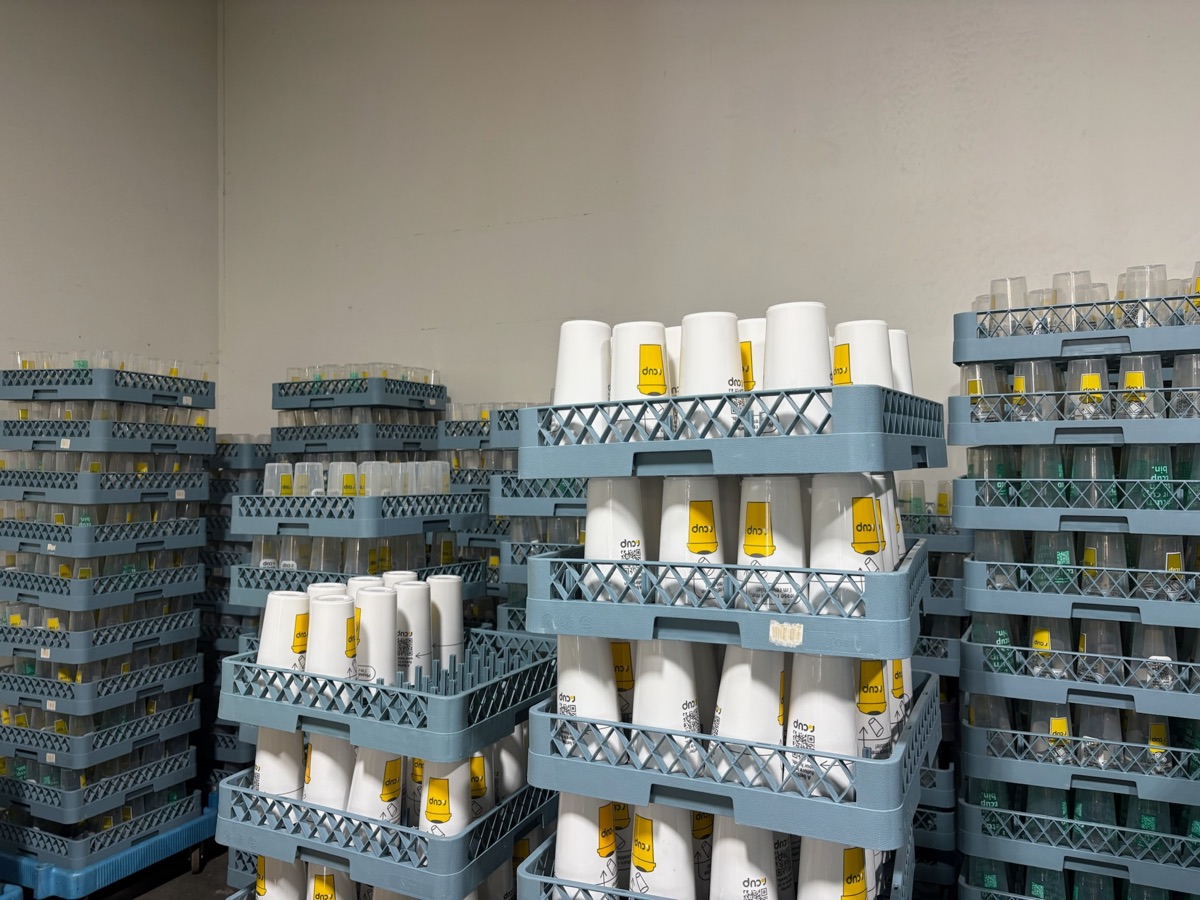
Technology
r.Turn is our QR- and RFID-enabled platform. Ordering, live inventory, item tracking, automated impact reports.
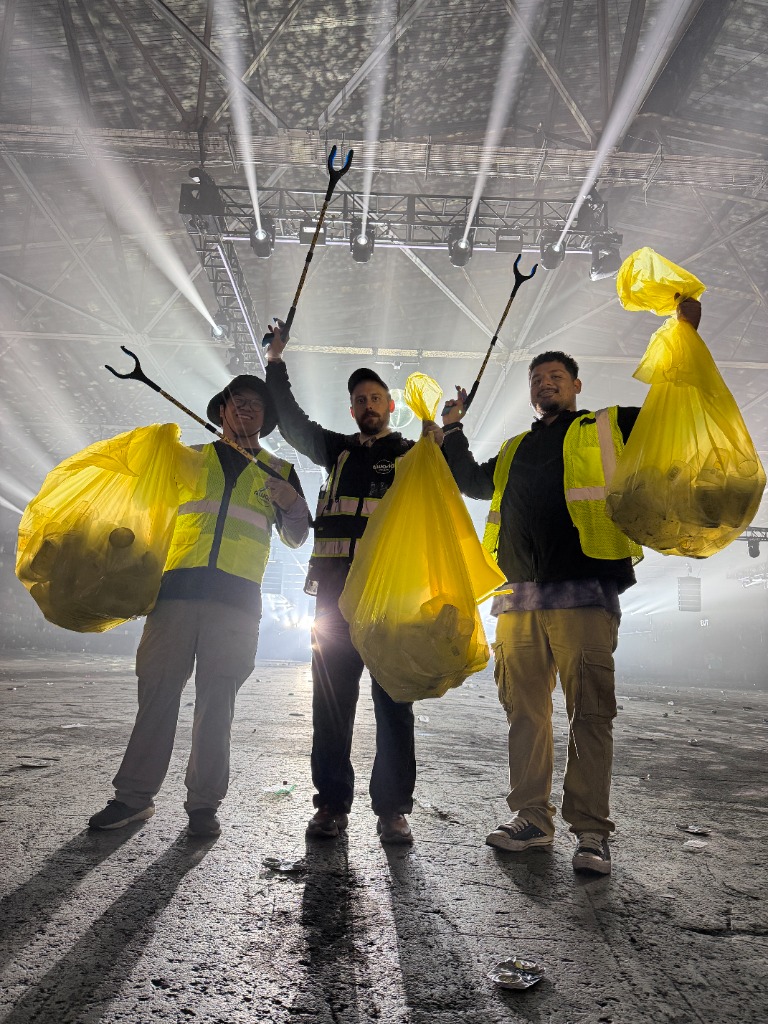
Service
World-class account service, training, inventory management, signage, environmental impact reporting, etc.
How r.World plans to use the funds
More sanitization centers and deeper automation.
Sanitization centers are what open the market since the network only serves what it can reach and wash. Automation increases reuse's ability to compete with single-use, and cost per item is reduced when each item needs fewer touches.
Research into what single-use can’t do
This enables sponsorship a facility can actually sell against. As Extended Producer Responsibility rules land, with California first in line, reuse could be built for those categories without it, including consumer packaged goods.
The full allocation will be in r.World’s offering statement when filed with the SEC.
Leadership Built for the Industries We Serve
r.World's leadership brings deep experience from the industries we serve and are helping transform, including beverage distribution, concessions, industrial manufacturing, and food service logistics.
Our board brings together expertise in the four areas critical to scaling r.World: operational excellence, enterprise sales, sustainability, and brand leadership. Together, they provide the experience, relationships, and strategic vision to make reuse the new standard.
Leadership & Board
-

Michael Martin
Founder & CEO
Has advised artists, global organizations and Fortune 500 companies on sustainability for 27 years, and has implemented reuse nationwide for nearly a decade.
-

Grace Lee
Head of Account Management
Brings decades of experience in sustainability innovation, running the client relationships behind r.World's 90% customer retention.13
-
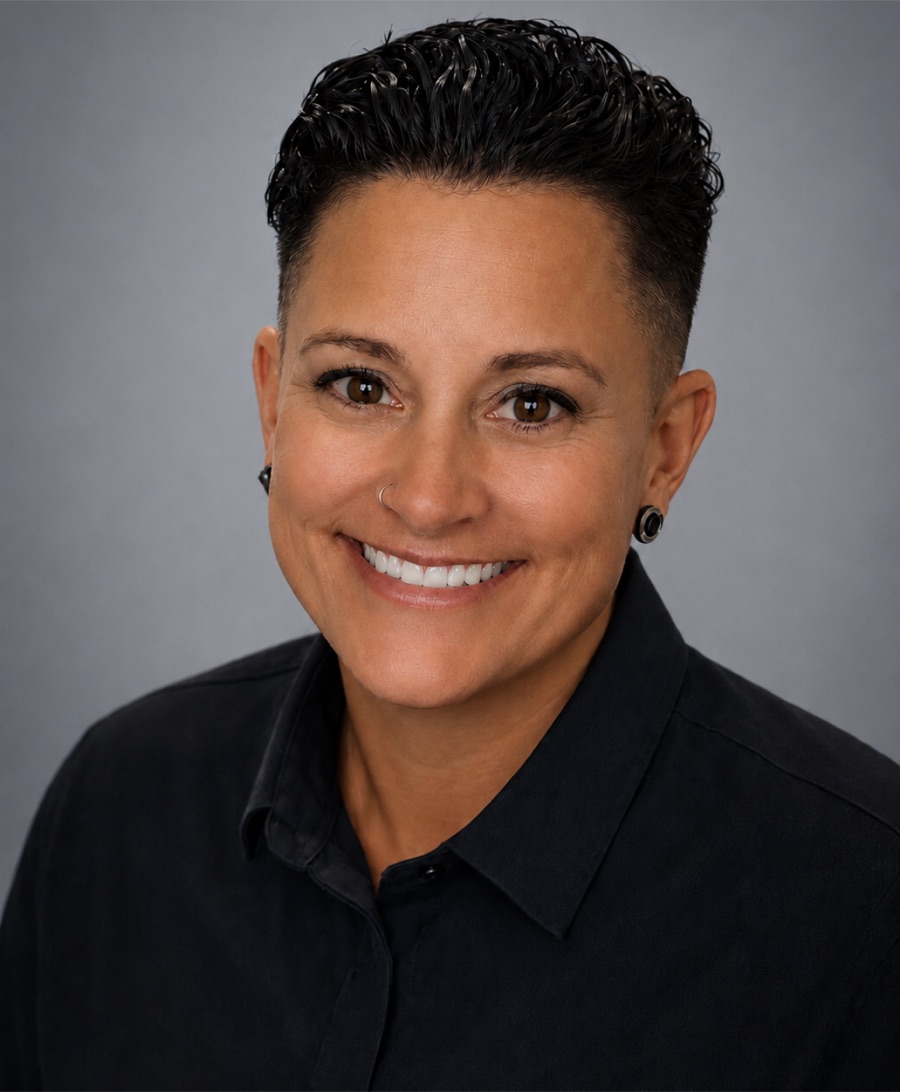
Annie Wesen
Controller
Keeps the books on a business that owns and tracks millions of individual assets in circulation.
-
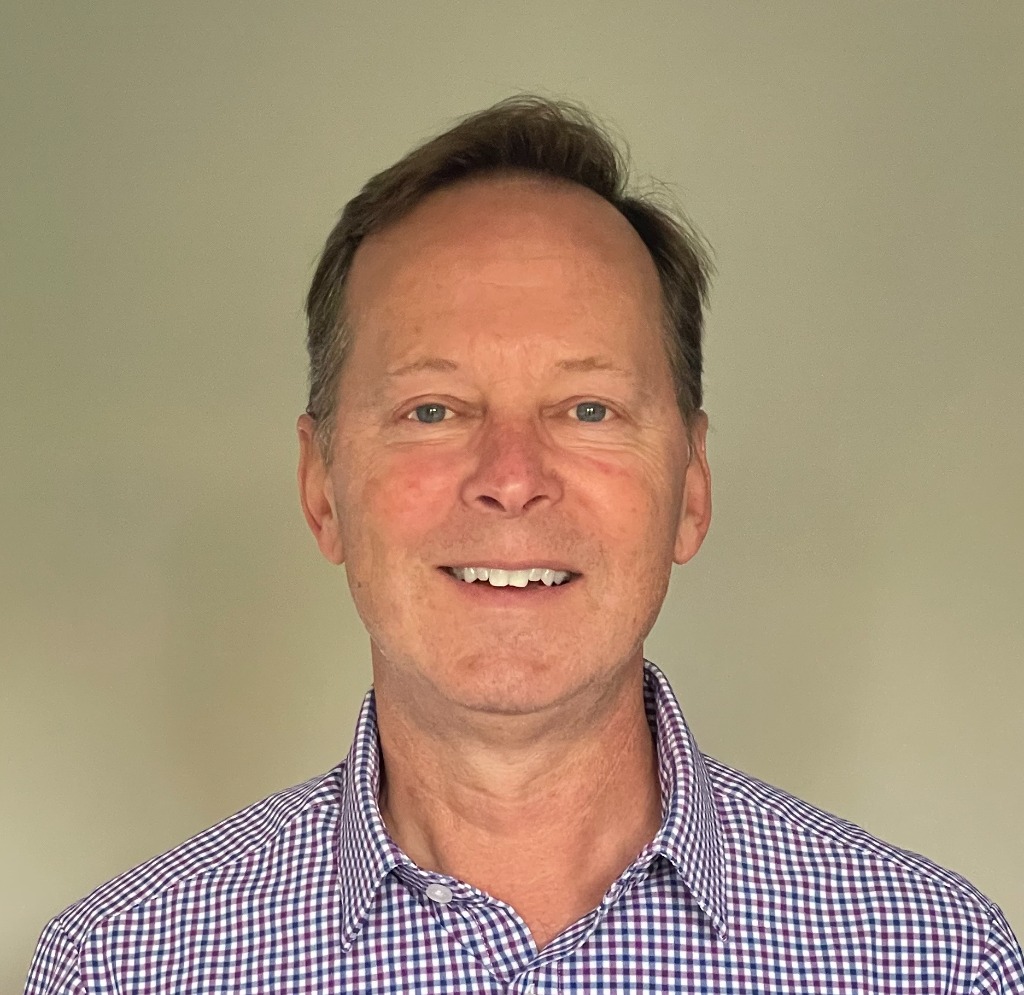
Craig Swanson
President & CFO
Thirty years spent on the unglamorous side of growth: Turnarounds, operating discipline and M&A, plus many board seats before joining r.World.
-
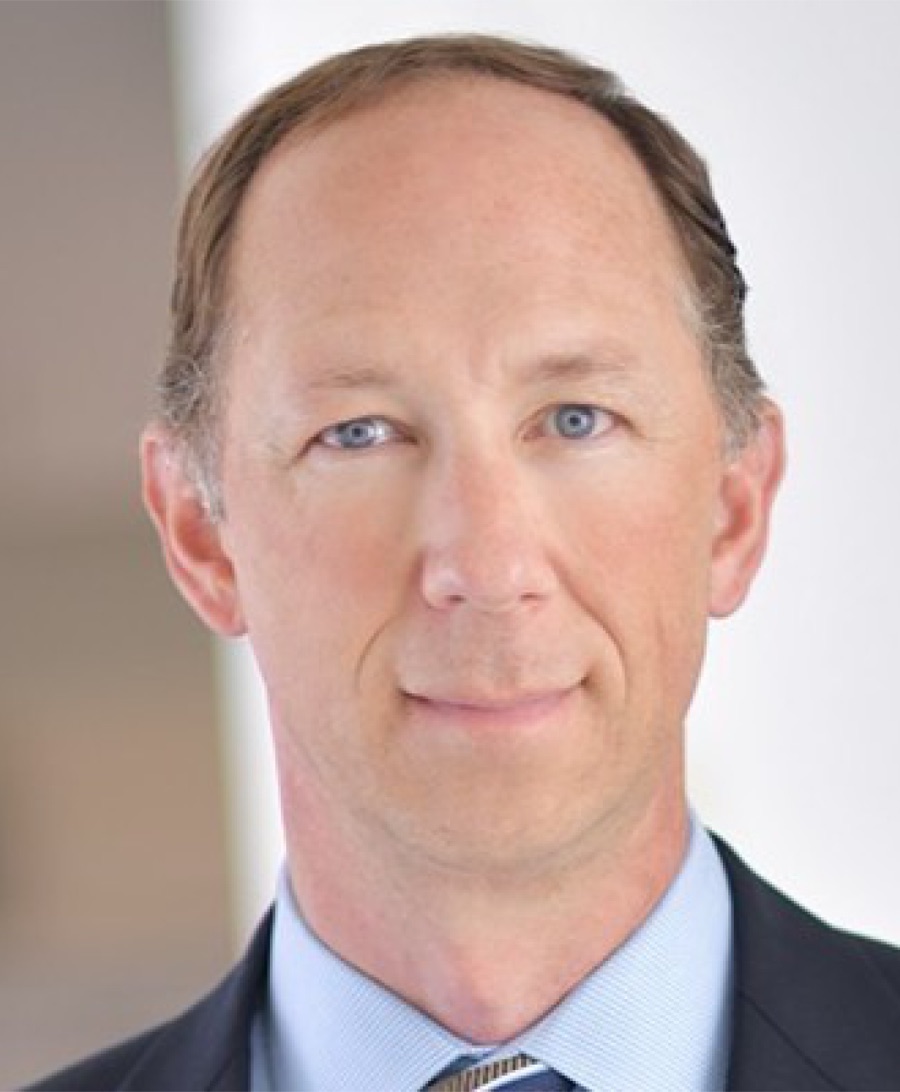
Tim Webert
Chief Operating Officer
Built new products and markets across food, travel and medtech, and founded a company of his own, before running r.World's operations.
-

Ed DeFraine
Chief Sales Officer
Came from the Coca-Cola System where he led food service and on-premise sales to the same enterprise clients r.World now serves.
-

Jessica Johnston
Head of Marketing
Eighteen years building brands at Citizen Relations before joining r.World in 2020.
-
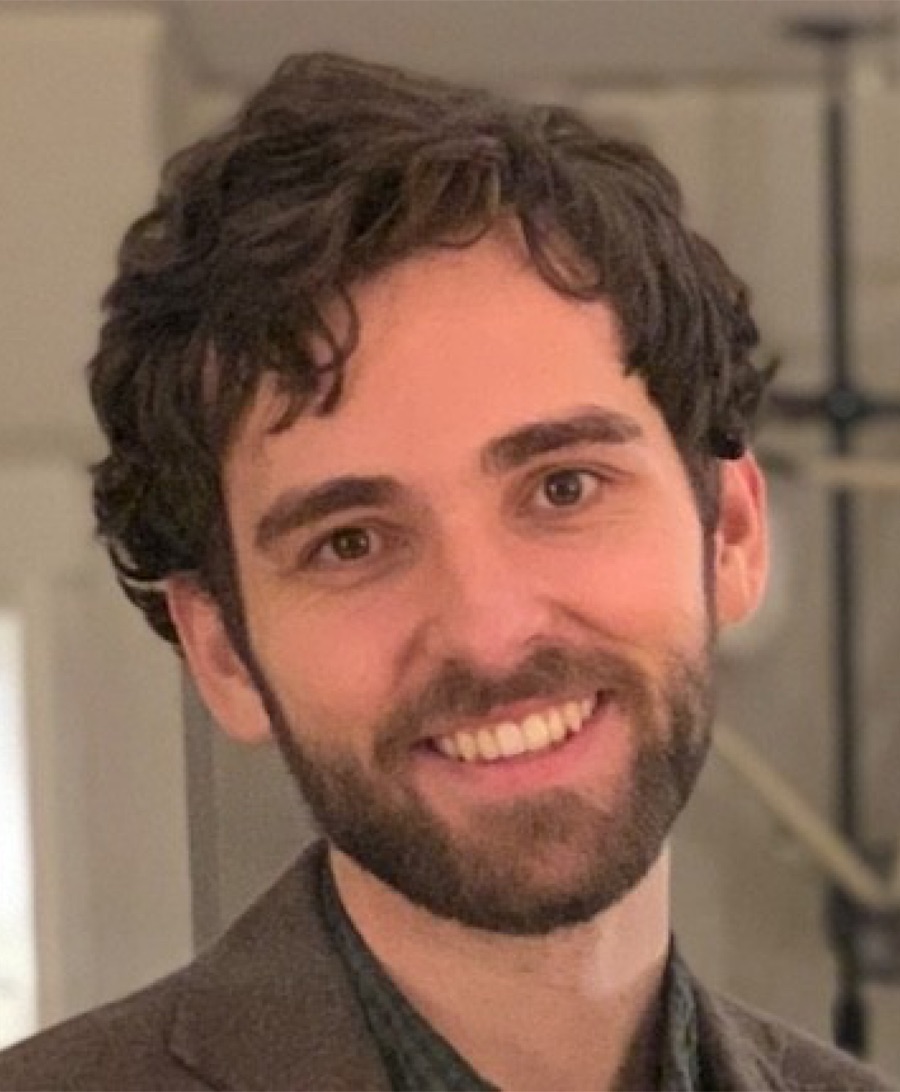
Mac Sellars
Strategy & Innovation Lead
Specializes in innovation and strategy while advising state, national and international bodies on reuse policy, and contributed to the Green Sports Alliance Reuse Playbook.
-
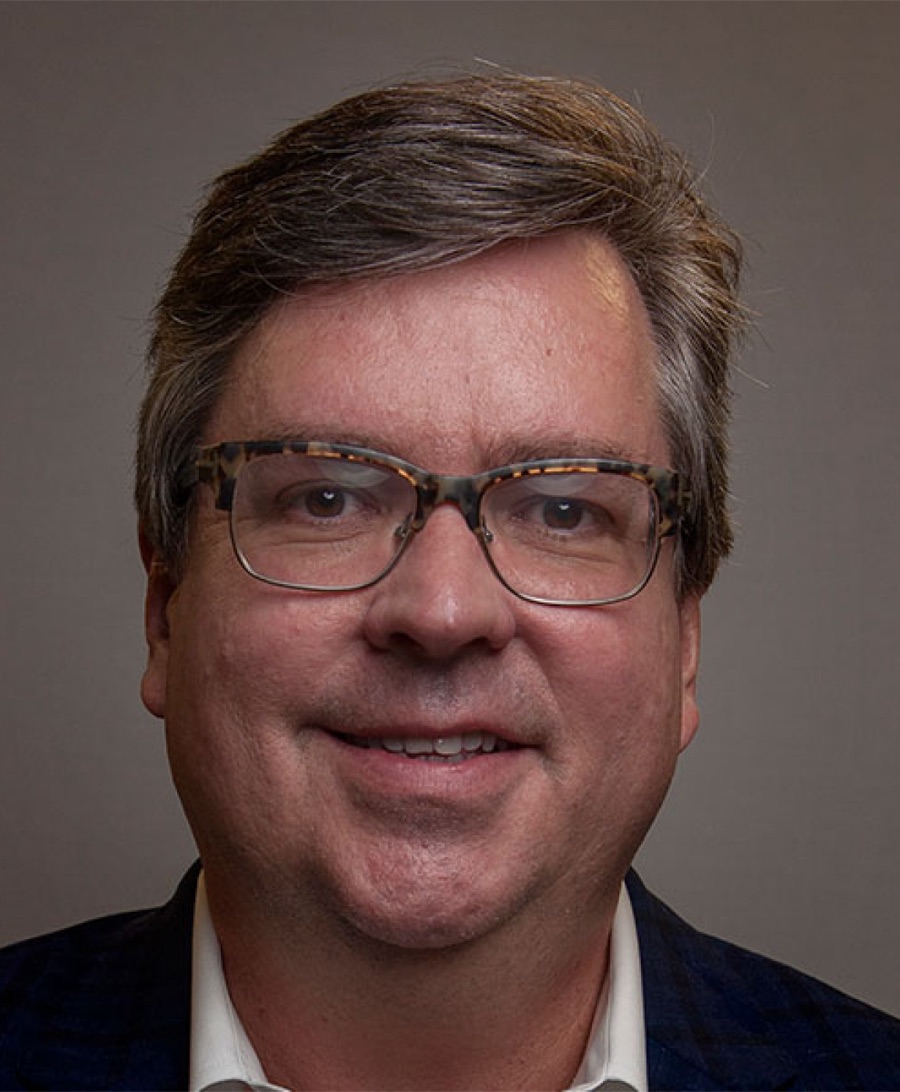
Tom Sellars
Chair & Co-Founder
Chairman and CEO of Sellars Absorbent Materials, a Milwaukee manufacturer he has run at industrial scale for decades.
-
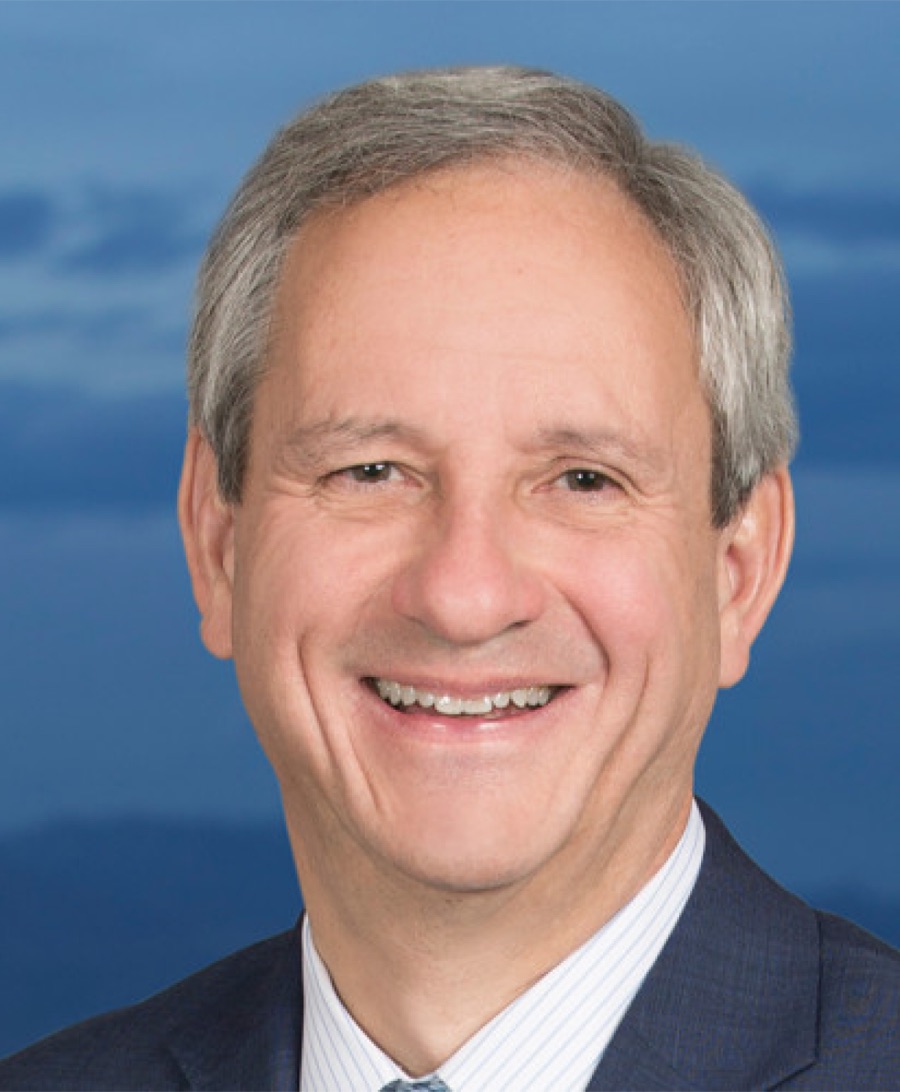
Brian Yost
Board Member
Former Chief Operating Officer of the Las Vegas Convention & Visitors Authority, and formerly of Live Nation, Disney and Marriott, he has sat on the buying side of this exact decision.
-
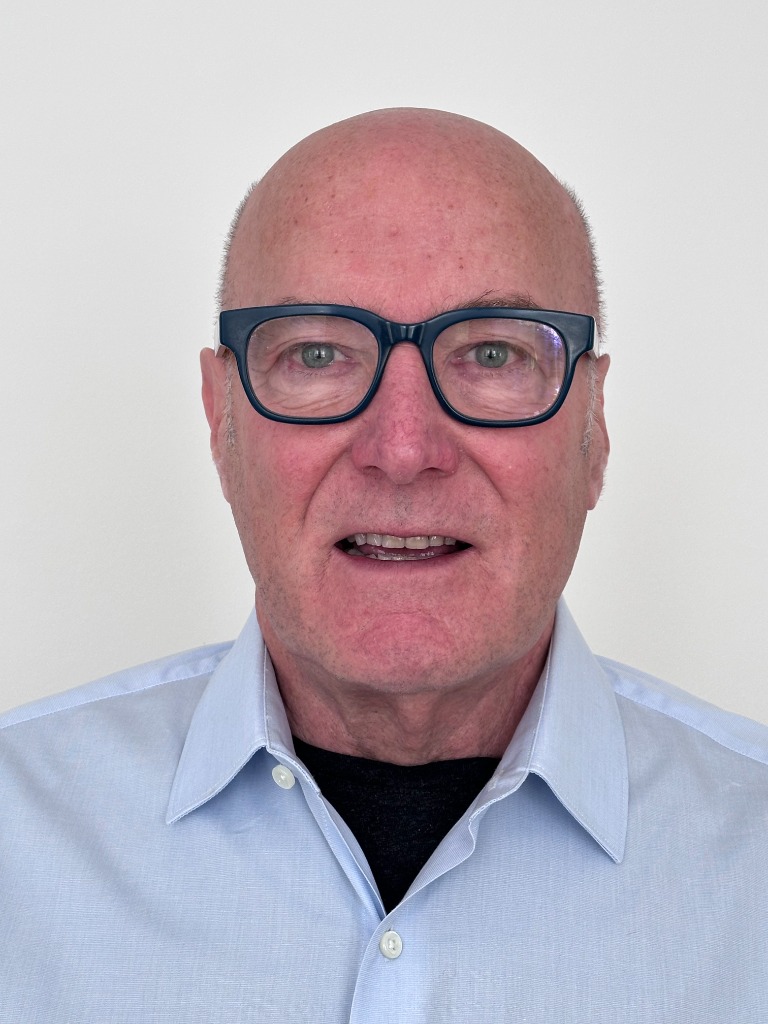
Mark Addicks
Board Member
Retired General Mills CMO with decades of entrepreneurial success who now teaches marketing and entrepreneurship at the University of St. Thomas.
-

Daniel Yarano
Board Member
Attorney and shareholder at Fredrikson & Byron where he chairs the firm's energy and real estate practice groups.
-
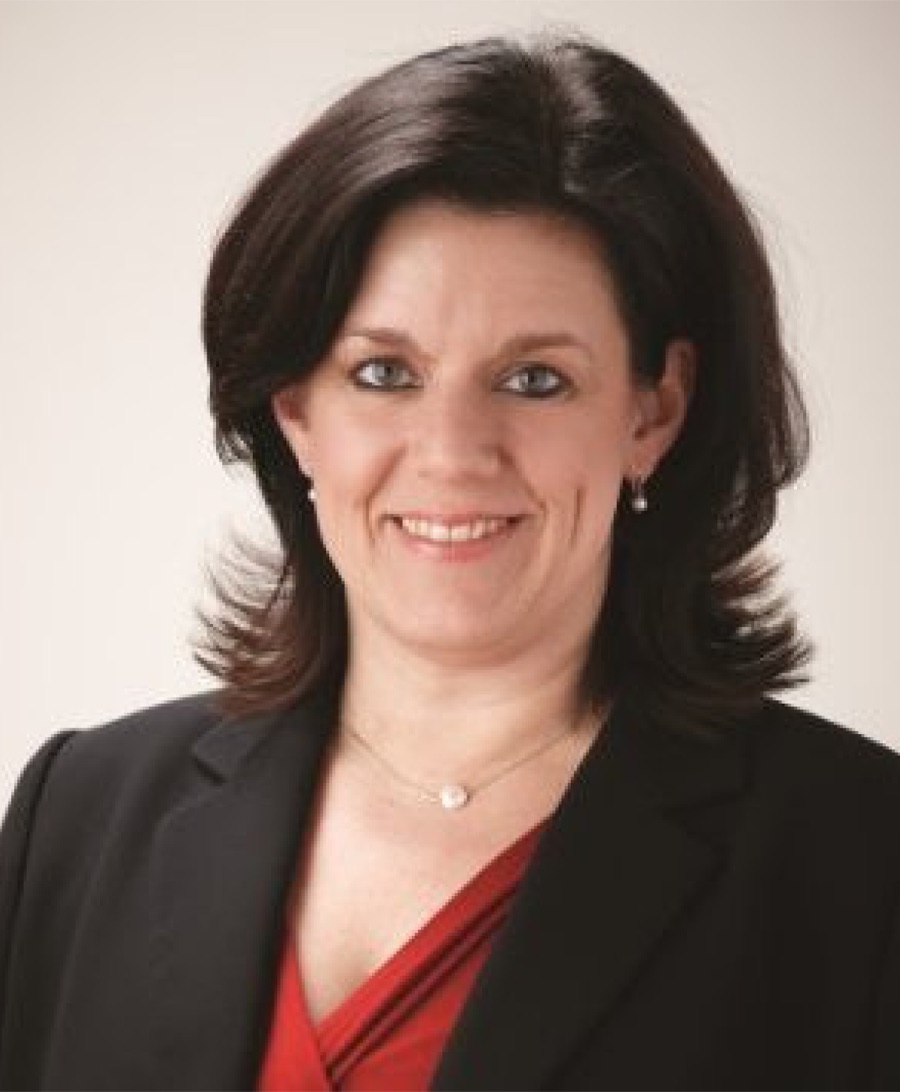
Kari Niedfeldt-Thomas
Board Member
President and CEO of the Better Business Bureau of Minnesota and North Dakota, mayor of New Brighton, Minnesota and former COO of Chief Executives for Corporate Purpose.
Ok, Cool. What Happens Now?
1. You join the notification list with your name and email. No payment, no commitment, no obligation of any kind.
2. r.World files its Form C offering statement with the SEC. Once the Form C is filed, the offering opens on StartEngine, a registered intermediary, where investments can be made.
3. We'll email you when the offering opens. You decide then, with all the terms and the full risk disclosures in front of you.
4. If you decide you’d rather not hear from r.World, one click and you’re off the list.


Want to be the first to know when the raise goes live?
You’re on the list.
No payment. No commitment. We’ll email you when the offering opens.
Sources
- ‘Leading’ and annual volume comparison measured by number of reusable foodware items washed annually by U.S.-based reuse providers. Based on r.World internal operational data (r.Turn platform, customer invoices and delivery/pickup records), Sep 2017–Oct 2026, compared with competitors’ publicly reported figures as of [DATE]. See Bold Reuse.
- OECD (2022), Global Plastics Outlook: Economic Drivers, Environmental Impacts and Policy Options – global plastic waste, 2019 data, p. [__]. U.S.: EPA estimates 8.7% of plastics were recycled in 2018.
- Upstream Solutions, Reuse Wins Report.
- U.S. EPA, Plastics: Material-Specific Data (2018 data, estimating 8.7% of plastics were recycled).
- Food Cycle Science, Trash Trouble: Our Landfills are Rapidly Reaching Capacity.
- Studies from SWANA and Sustainable Packaging Coalition/SSI indicate effective public and venue container recycling recovery rates typically range from 5% to 28% due to contamination and sorting losses.
- Based on r.World customer contracts and invoices as of Oct 2026; terms vary by contract.
- Reusable items delivered to customers, Sep 2017–Oct 2026; each assumed to displace one single-use item. Source: r.World internal operational data (r.Turn platform, customer invoices and delivery/pickup records).
- Events served Sep 2017–Oct 2026, counted from customer pickups. Source: r.World internal operational data (r.Turn platform, customer invoices and delivery/pickup records).
- Short tons, Sep 2017–Oct 2026. Calculated with r.World's impact calculator using actual weights of r.World reusable items, industry-average weights of single-use PET items replaced, 9% plastic recycling rate (OECD/EPA), third-party LCAs and EPA WARM model. See r.World Environmental Impact Methodology.
- Sep 2017–Oct 2026. Calculated with r.World's impact calculator: weight of single-use PET items replaced, converted using industry-average water use per ton of plastic produced; EPA datasets, WARM model and third-party LCAs. See r.World Environmental Impact Methodology.
- Average share of delivered reusable items returned, Nov 2021–Oct 2026 (start date reflects r.World’s 2021 shift to a full reuse model). Source: r.World internal operational data (r.Turn platform, customer invoices and delivery/pickup records).
- Share of customers who continued their programs vs. those who ended them, Nov 2021–Oct 2026. Source: r.World internal customer data and contract renewals.
- Cities with at least one r.World customer site, Sep 2017–Oct 2026. Source: customer invoices and r.Turn log of customer site addresses.
- States with at least one r.World customer site, Sep 2017–Oct 2026. Source: customer invoices and r.Turn log of customer site addresses.
- r.World began operations Sep 2017 (r.World internal operational data (r.Turn platform, customer invoices and delivery/pickup records)). First state packaging EPR laws: Oregon SB 582 and Maine LD 1541 (2021).
- California SB 54 (2022), Plastic Pollution Prevention and Packaging Producer Responsibility Act.
- Colorado HB 22-1355 (2022), Producer Responsibility Program for Worldwide Recycling.
- Oregon SB 582 (2021), Plastic Pollution and Recycling Modernization Act.
- Minnesota HF 3911 (2024), Packaging Waste and Cost Reduction Act.
- Maryland SB 901 (2025), Ch. 431, Producer Responsibility for Packaging Materials.
- Washington E2SSB 5284 (2025), Concerning packaging and paper products management.
- Maine LD 1541 (2021), amended by LD 1423 (2025); see also EPR Atlas: EPR Laws by State.
- States with EPR bills introduced: CT, GA, HI, IL, MA, NE, NJ, NY, NC, RI, TN, WI (as of [DATE]).
- Cal. SB 54 (2022), Plastic Pollution Prevention and Packaging Producer Responsibility Act; CalRecycle bulletin; Ocean Conservancy SB 54 Source Reduction Fact Sheet.
- Cal. Public Resources Code § 42081.
- r.World operates wash hubs in five metro areas: Denver, Los Angeles, DC/Baltimore, Minneapolis and San Francisco (as of Oct 2026).
- Ecolab Science Certified™ is a trademark of Ecolab. Certification applies to [which] r.World wash hubs as of [DATE] and does not constitute an endorsement of r.World or this offering. See Ecolab Science Certified Program.